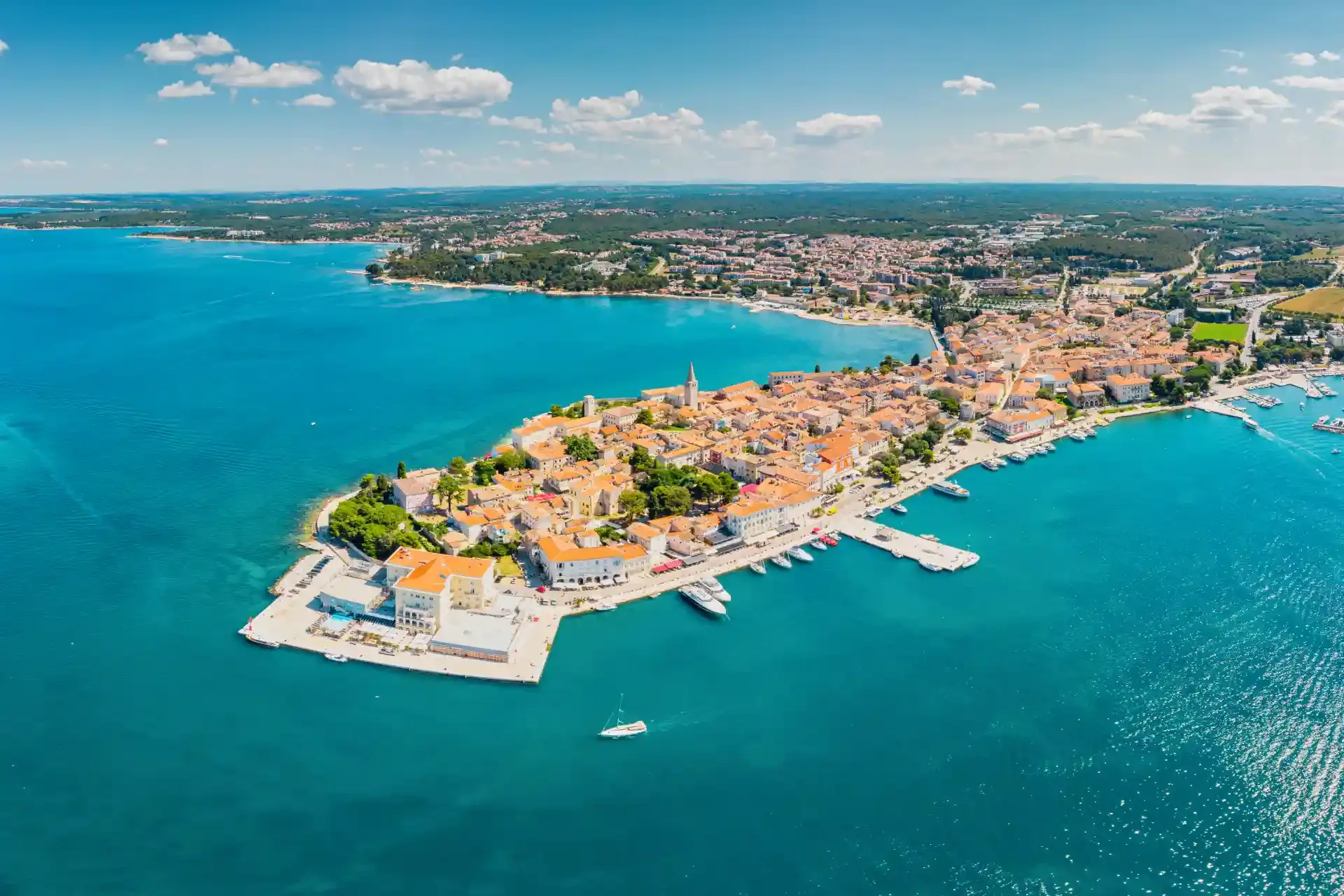


Sailing Croatia’s coast boasts a breathtaking coastline, glistening clean waves, and historic nautical legacy. Croatia’s cultural, social, and economic growth is closely entwined with the history of sailing from her shore. From the employment of traditional boats for trade and fishing to contemporary nautical tourism, centuries of marine activity have molded the Croatian coast.
Drawing guests from around the globe, Croatia today has one of Europe’s most beautiful sailing locations. The Croatian coast presents unique opportunities regardless of your skill level as a sailor, family searching for an island-hopping excursion, or couple looking for a romantic sunset cruise. The development of traditional sailing, the historical importance of maritime activities, and how sailing the Croatian coast has evolved into a vibrant tourism business are investigated in this paper.
Key Takeaways
- Croatia’s Maritime Legacy: Inspired by the Illyrians, Greeks, Romans, and Venetians, sailing has been a fundamental component of Croatian society for thousands of years.
- Traditional Boats & Shipbuilding: Along the Adriatic coast, historic boats, including the Bracera, Gajeta, and Lugger, were vital for fishing, trading, and transportation.
- Dubrovnik as a Maritime Power: Rising to challenge Venice in trade and shipbuilding quality, the Republic of Ragusa (present-day Dubrovnik) was a major maritime force.
- The transition from Traditional Sailing to Tourism: Croatia has effectively restored its maritime legacy through nautical tourism, while industrialization caused wooden sailing ships to disappear.
- Growth of Nautical Tourism in Croatia: Croatia has become one of the top sailing locations worldwide, with perfect sailing conditions, a rich cultural legacy, and several trip choices.
- Sailing Experiences for Everyone: From family-friendly day outings and historical sailing excursions to romantic sunset cruises, the Croatian coast provides remarkable experiences for all visitors.
- Sustainable Sailing & Future Prospects: Croatia guarantees its breathtaking coastal environment will be kept intact for the next generations by investing in environmentally friendly sailing and marine protection.
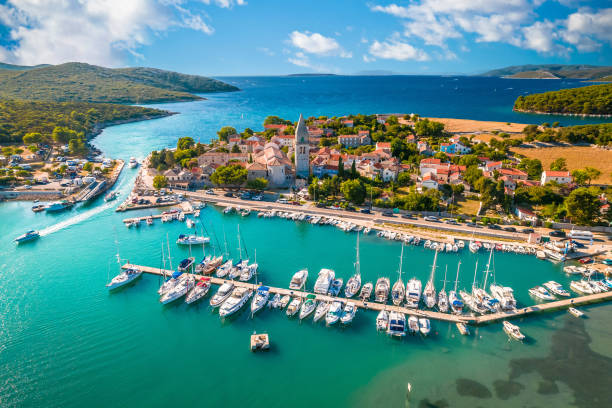
The Origins of Sailing in Croatia
The history of Croatia revolves, in great part, around the water. The Croatian coast has long been a meeting ground for sailors along the Adriatic. Traveling these rivers for trade and exploration, the ancient Greeks, Romans, and Illyrians offered the first signals of sea activity.
Illyrians and Early Navigation
Expert shipwrights and sailors, the Illyrians were the first known occupants of the area. They built wooden boats to fish and trade in the Adriatic. Their expertise laid the foundation for the future marine customs of the area.
Greek and Roman Influence
Greek settlers founded communities on the coast of Croatia, including Pharos (present-day Stari Grad). They improved navigation skills and brought advanced shipbuilding methods. Later, the Romans built ports and naval bases to help control the Adriatic, enhancing marine infrastructure. These incidents significantly changed the history of Croatia and its status as a major nautical center.
Medieval Sailing and the Rise of Maritime Trade
Croatia was indispensable in the Venetian Republic, which dominated the Adriatic for decades during the Middle Ages. Croatian shipwrights and seamen mostly kept the robust Venetian fleet as a whole.
Importance of Traditional Boats
Many traditional boat designs were in use at this period, including:
- Bracera: Along the Adriatic coast, trade uses small, sturdy cargo ships known as braceras.
- Gajeta: The varied fishing boat known as the “Gajeta” is regularly used by Dalmatian villages.
- Lugger: Based on the coastal economy, luggers—fast and nimble sailing boats—were preferred by merchants for trade, transportation, and fishing.
Dubrovnik: A Maritime Power
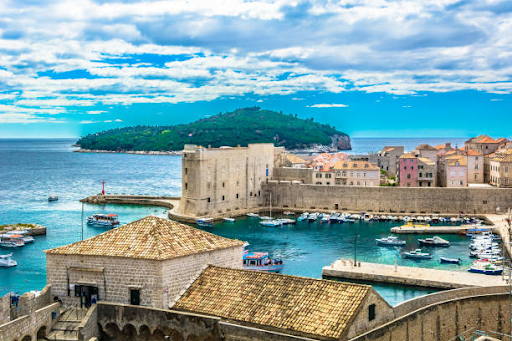
The Republic of Ragusa, now Dubrovnik, became a powerful naval force in the Adriatic. Renowned for its exceptional shipbuilding and trade skills, its fleet challenged Venice and other Mediterranean nations. Dubrovnik’s maritime triumph enhanced Croatia’s naval reputation.
Age of Exploration and the Role of Croatian Sailors
Croatian sailors greatly supported European maritime activities during the Age of Discovery (15th–17th century). Many Croatians ventured into uncharted territory on ships from Spain and Portugal and opened fresh trade channels. The gifted seafarers the Adriatic coast produced helped to propel naval trade forward.
Decline of Traditional Sailing and the Rise of Nautical Tourism
Traditional sailing became less common when steam-powered ships emerged in the late 19th and early 20th centuries. Gradually replacing wooden ships, modern and industrialized shipping started to rule marine trade in Croatian nautical tourism. But traditional sailing did not perish completely. A growing interest in maritime history emerged later in the 20th century, and many villages kept their old boat-building techniques.
Growth of Nautical Tourism in Croatia
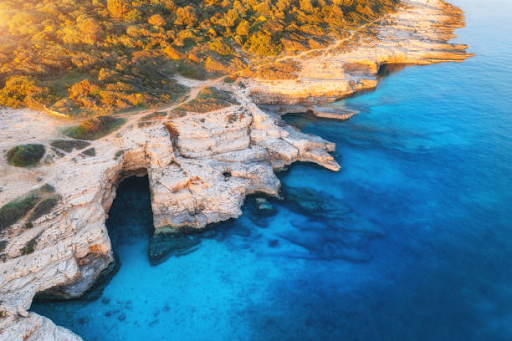
Sea tourism has exploded in Croatia in recent years, attracting explorers and sailors, among other visitors worldwide. The Croatian coast offers an unmatched sailing experience with its lovely islands and calm seas. There are several reasons behind the explosion of naval tourism:
- Ideal Sailing Conditions: The Adriatic is the best spot to sail since it presents gentle breezes and a well-maintaining marina network.
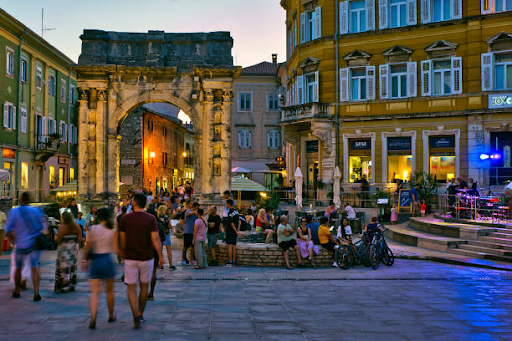
- Cultural and Historical Attractions: Among the historical and cultural gems open for visitors are UNESCO World Heritage sites, old ports, and ancient cities.
- Diverse Sailing Options: Visitors can include day excursions, sunset cruises, and week-long sailing adventures.
Impact of Nautical Tourism on the Local Economy
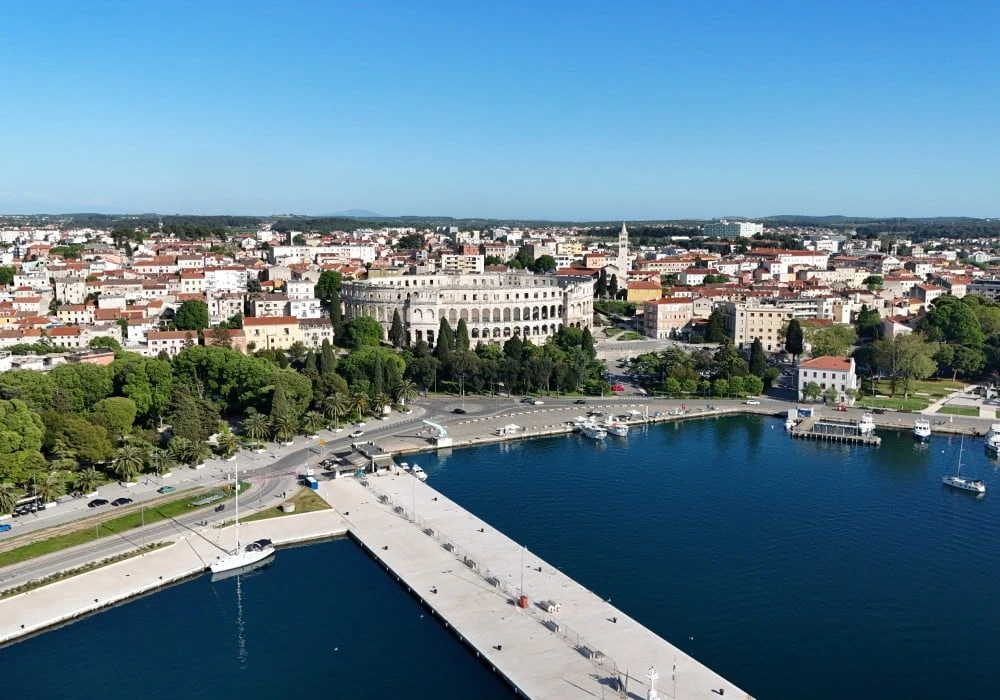
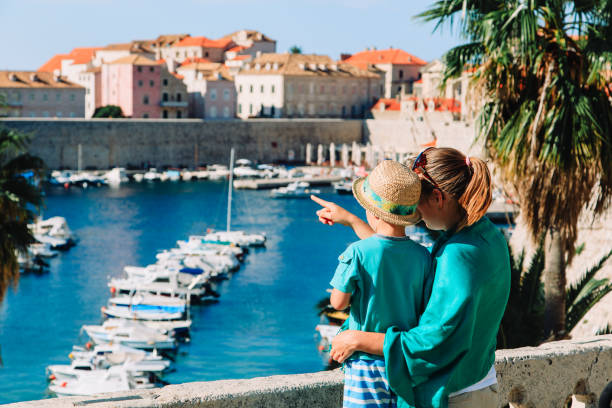
Nowadays, nautical tourism in Croatia is mostly responsible for the country’s economy since it generates significant amounts of money for local businesses. Marinas, boat rentals, sailing classes, and restaurants along the shore gain from the flood of people seeking a real sailing experience. Preserving traditional boats and maritime history has also resulted in jobs in ship repair and guided sailing tours.
Sailing the Croatian Coast Today
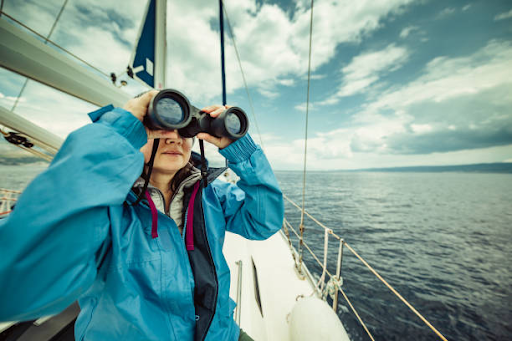
Sailing on the Croatian coast is among the most often-used tourist pastimes nowadays. Couples, families, and small groups visiting coastal cities and islands of Croatia could find quite the adventure.
Traditional Sailing Experiences
People interested in the history of Croatia and its culture can find several classic sailing events available:
- Sailing on a Gajeta: Traveling on a rebuilt gajeta and learning about historic sailing techniques is possible for visitors.
- Fishermen’s Tours: Combining nearby fishermen on a fishing tour lets guests learn about Croatian fishing practices.
- Historical Sailing Routes: Special cruises give an insight into Croatia’s naval past using ancient sea routes.
Sunset Cruises and Romantic Getaways
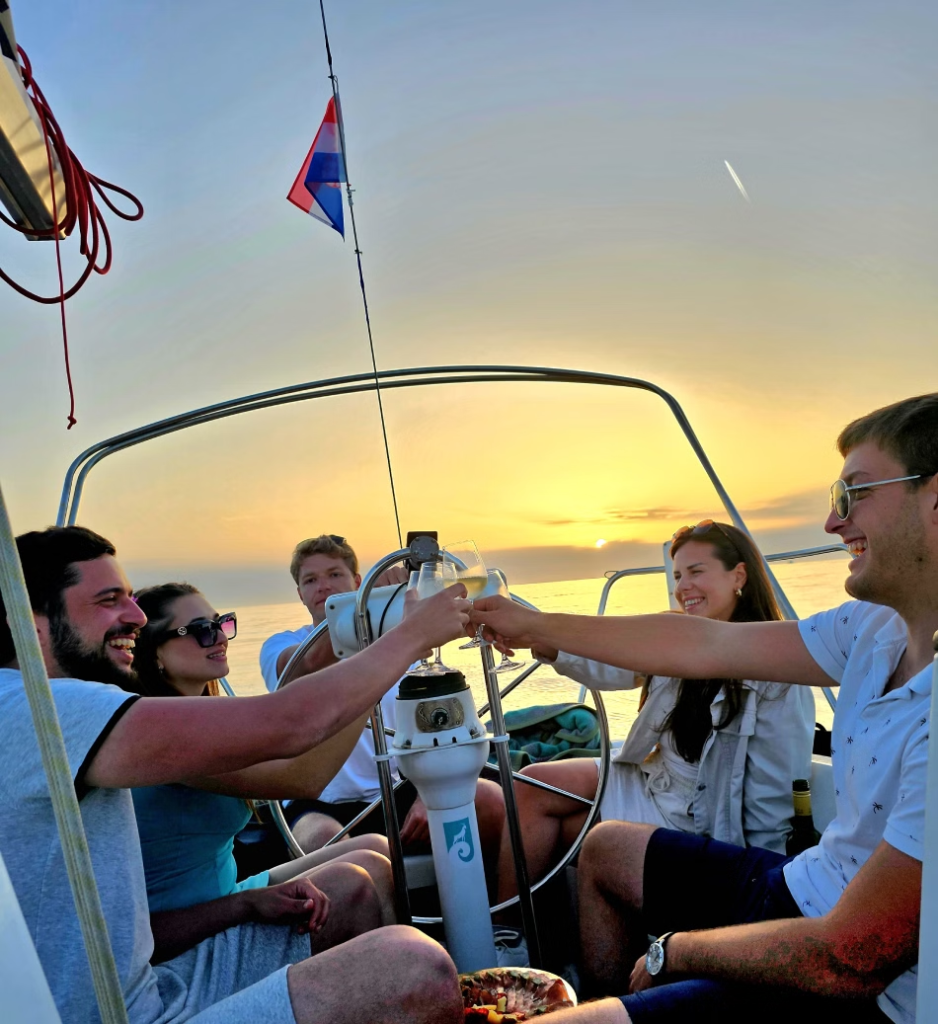
Couples can enjoy romantic sunset cruises where they might sample regional wines while savoring the breathtaking views of the Adriatic. Honeymooners and special events would find these cruises a perfect choice since they regularly stop at little seaside villages and remote harbors.
Family-Friendly Sailing Trips
Daily sailing trips, including snorkeling, island hopping, and a study of the rich marine life of the Adriatic, are open to families. Many excursions feature kid-friendly activities so that everyone has fun.
Festivals and Events Celebrating Croatian Sailing Heritage
Croatia honors its rich nautical past and traditional sailing culture through several celebrations and events. These events attract visitors who are eager to see Croatia’s seafaring customs personally.
The Latinsko Idro Regatta
Held in Murter and with antique sailing boats, this race emphasizes the need to preserve Croatia’s naval legacy. Riding aboard wooden boats, participants showcase age-old techniques handed down through the years.
Fiumanka Regatta
Every year in Rijeka, professional sailors and aficionados gather for an intense competition. It celebrates Croatia’s long-standing maritime customs with modern sailing qualities.
The Vis Regatta
Held around the island of Vis, the Regatta of Vis draws residents and guests since it combines cultural events with competitive sailing.
The Future of Sailing in Croatia
Croatia invests in infrastructure to encourage environmentally friendly travel as sailing gains popularity. The priorities have been keeping clean rivers and protecting aquatic environments. Finally, environmentally responsible sailing techniques—such as running electric boats and properly disposing of trash—are being promoted to preserve the beauty of the Adriatic for the next generations.
The Bottom Line
The history of Croatia’s sailing is evidence of its ongoing relationship with the water. From the strong merchant ships of Dubrovnik, Croatia, to the ancient Illyrian sailors, nautical legacy defines this country. Through nautical tourism in Croatia, the spirit of the Adriatic has survived even when traditional sailing fell off with the arrival of new technology. Croatia embraces its maritime past today while adjusting to the pressures of contemporary society.
Along with preserving the nation’s rich legacy, sailing tourism boosts local businesses, helps local communities, and encourages environmentally friendly travel. Maintaining clean waterways, safeguarding marine life, and repairing antique boats guarantees that the next generations may enjoy the splendor and customs of sailing the Croatian coast.
Croatia remains one of the top sailing destinations worldwide, offering something for every visitor. It perfectly blends modern tourism with heritage, where adventure meets history on the open sea.
Ready to set sail? Discover the authentic charm of Istria with Sail Istria. Join us for an unforgettable journey, exploring hidden coves, ancient ruins, and vibrant culture.
Book your sailing trip today and experience the real Istria!